How We Saved a Septic Field From Full Replacement
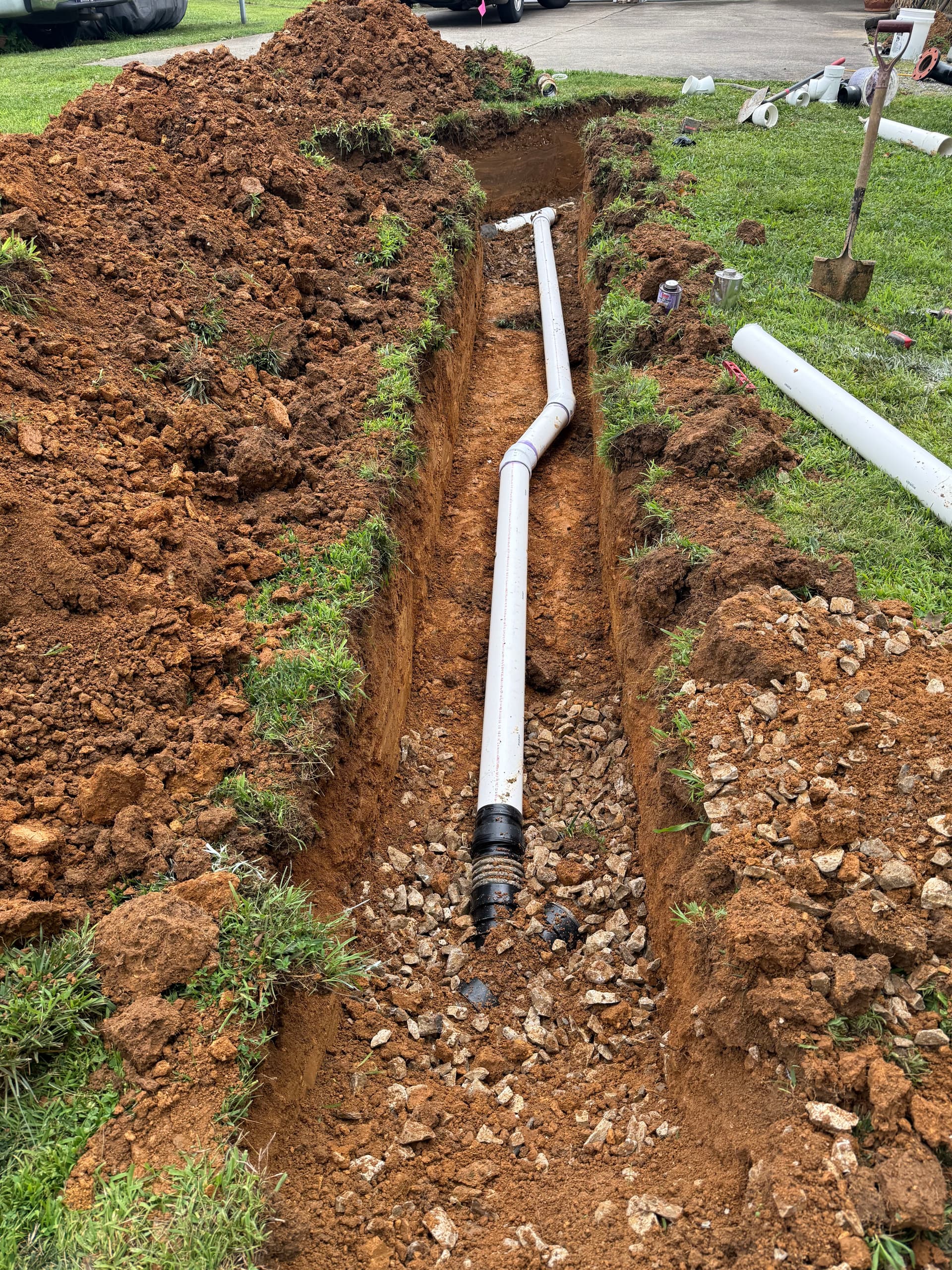
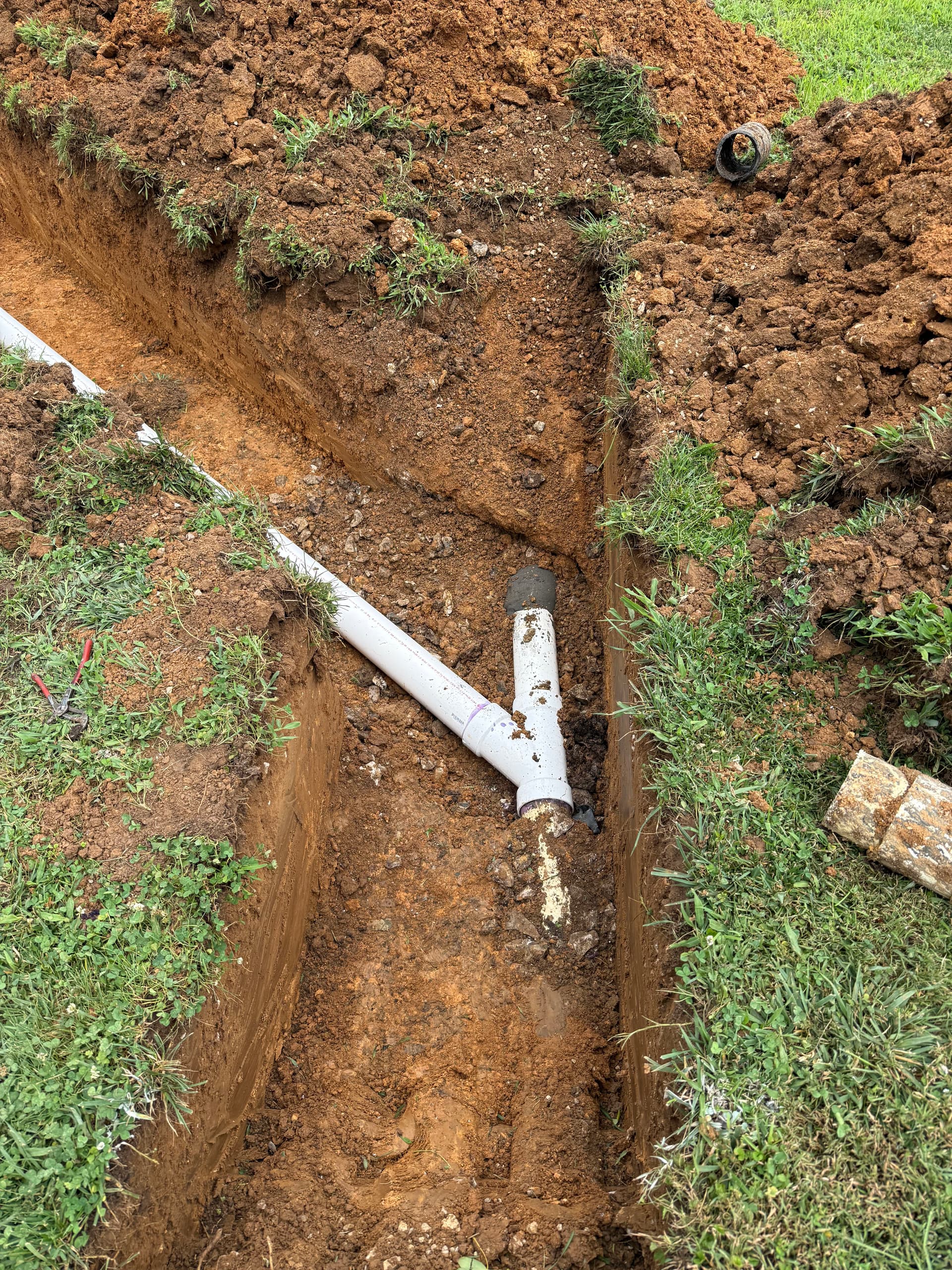
When a septic system starts acting up, most homeowners brace for the worst - a full drain field replacement that can cost thousands. But that's not always the right call. Sometimes the fix is smarter than that.
Here's what we were working with: a failing section of the system that, on the surface, looked like it needed a complete overhaul. After digging in and assessing the line conditions, we found that part of the existing field was still in solid shape. That changes everything.
Instead of ripping out the whole system, we tied the new line directly into the section that was still performing well. Fresh pipe, proper gravel bedding, and a solid connection - the kind of work that keeps the entire system functioning the way it was designed to. No unnecessary demo, no inflated scope of work.
That's really what septic repair comes down to - knowing what actually needs to be replaced and what doesn't. A crew that defaults to full replacement every time isn't doing you any favors. We dig in, evaluate, and give you the fix that makes sense for your situation and your budget.
Not every septic problem is a worst-case scenario. If your system is backing up, draining slow, or just not acting right, it's worth having someone take a real look before assuming the whole field is gone.